
"Ethiopia Djimmah"
600 article(s) found

Introduction to the grade of coffee beans in Ethiopia
Grade of Ethiopian coffee: Ethiopian washed coffee Yega Chuefei G1 G2 Sidamo (Yirgacheffe, Sidamo) has the highest grades 2 and 3 (G2, G3), while sun-processed coffee in eastern Ethiopia is mostly grade 4 or 5 (G4, G5). In many cases, level 4 coffee is marked as level 5 in order to reduce taxes. At present, the classification is not uniform and there are

Individual coffee beans recommend Ethiopian coffee Harald coffee sun G3
Professional coffee knowledge exchange more coffee bean information please follow the coffee workshop (Wechat official account cafe_style) [Ethiopia] Harald-G3 beans series: Grade 3 treatment: natural sun method certification: no certification, all coffee is non-toxic organic cultivation * Ethiopia Harald no water washing bean coffee is almost all from

Coffee flavors from different coffee producing areas around the world Ethiopia
The coffee tree originated in Ethiopia, which was originally a wild plant here, and the name coffee comes from the Ethiopian town of Kaffa. Humans may have known how to grow coffee trees as early as the 9th century. Coffee producing area in Ethiopia: many coffee trees in Ethiopia are still wild plants, and the coffee grown on this coffee tree is full of grains.

The most important coffee producing area in Ethiopia, the Sidamo Gedeo district of Sidamo province.
Today, Ethiopia is an important coffee producer, with about 12 million people engaged in coffee production and a major exporter of Arabica coffee beans in Africa. The high-quality coffee here is of excellent quality and is worth looking for. A variety of coffee cultivation methods can be found in Ethiopia: from wild coffee forests and semi-developed land

Global coffee production Ethiopia coffee production
The coffee tree originated in Ethiopia, where it was originally a wild plant, and the name coffee comes from the Ethiopian town of Kaffa. Humans probably knew how to cultivate coffee trees as early as the 9th century. Ethiopia's coffee growing area: Ethiopia's many coffee trees are still wild plants, this coffee tree grows coffee particles full

The grade of Ethiopian coffee
The highest grades of Ethiopian washed coffee Yega Chuefei G1 G2 Sidamo (Yirgacheffe, Sidamo) are Grade 2 and Grade 3 (G2, G3), while most of the sun-processed coffee in eastern Ethiopia are Grade 4 or Grade 5 (G4, G5). In many cases, level 4 coffee is marked as level 5 in order to reduce taxes. At present, the grading is not uniform and messy, because there is also sun processing.

Soft acidity Ethiopian coffee flavor Taste Manor Features
Ethiopia's coffee producing areas are Sidamo, Harrar and Yirgacheffe. Sidamo and Harrar are provinces and divisions. Sidamo is located in the south of Ethiopia and adjacent to Kenya. Harrar borders Somalia in the east of Ethiopia. Although Yirgacheffe is a small area in Sidamo region, due to soil composition and water content, etc.

Ethiopian coffee beans are the most popular coffee beans in Ethiopia.
Ethiopia can find a variety of coffee cultivation methods: from wild coffee groves and semi-developed land, to small plots of traditional management, to modern plantations. About 50 percent of coffee is grown at altitudes of more than 1500 meters. Harrar coffee is the highest coffee grown in Ethiopia. Hara coffee can be divided into long coffee
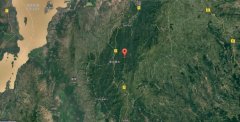
What's the difference between ORC cherry and aricha? What is the native species?
Professional coffee knowledge exchange more coffee bean information please follow the coffee workshop (Wechat official account cafe_style) Ethiopian coffee mainly has eight major producing areas, namely: Lekempti, Limu, Illubabor, Djimmah, Harar, Teppi/Bebeka, Sidamo, Yirgacheffe. Yejasuefei is a small town in Ethiopia, 1700-2100 meters above sea level

Sidamo coffee beans ripen in what months of the year
Following Cafe Review (Wechat official account vdailycom) found that Cafe Cafe opened a small shop of its own, Sidamo Coffee beans ripened every few months every year, Ethiopia's bean picking season is from October to December! Ethiopia Sidamo G2, Ethiopia: the Sidamo producing area is located in the south of Ethiopia, extending to the Arsi and Bale districts in the east and Gamogofa to the west.

Introduction to the grade of Ethiopian coffee
Grade of Ethiopian coffee: Ethiopian washed coffee Yega Chuefei G1 G2 Sidamo (Yirgacheffe, Sidamo) has the highest grades 2 and 3 (G2, G3), while sun-processed coffee in eastern Ethiopia is mostly grade 4 or 5 (G4, G5). In many cases, level 4 coffee is marked as level 5 in order to reduce taxes. At present, the classification is not uniform and there are

Characteristics of Flavor and Taste of Coffee beans in Ethiopia
Characteristics of Ethiopian Coffee Bean Flavor Manor treatment Ethiopia Sidamo is a type of single origin, growing in Arabica coffee in Sidamo province, Ethiopia. Like coffee in most African countries, Ethiopian Sidamo is characterized by small gray beans, but characterized by its rich, spicy, wine or chocolate-like taste and floral aroma. In all Cedars

Ethiopian coffee origin
Ethiopia can find a variety of coffee cultivation methods: from wild coffee groves and semi-developed land, to small plots of traditional management, to modern plantations. About 50 percent of coffee is grown at altitudes of more than 1500 meters. Harrar coffee is the highest coffee grown in Ethiopia. Hara coffee can be divided into long coffee

Introduction to the characteristics of the full-grained Yega Sheffiwoca Coffee Flavor Manor in Ethiopia
[product name]: Ethiopia Ethiopia Yirgacheffe [quality rating]: WP Grade 2 [baking]: recommended moderate baking (Medium Roast or City Roast) [grade]: excellent [granule]: ★ full [acidity]: ★★★★ slightly sour, dark chocolate aftertaste [balance]: ★★★★ is very stable

Yega Snow Coffee producing area Sidamo Gedeo District, Sidamo Province
Today, Ethiopia is an important coffee producer, with about 12 million people engaged in coffee production and a major exporter of Arabica coffee beans in Africa. The high-quality coffee here is of excellent quality and is worth looking for. A variety of coffee cultivation methods can be found in Ethiopia: from wild coffee forests and semi-developed land

Boutique Coffee Coffee from Ethiopia (Ethiopia)
The birthplace of coffee-Ethiopia. The coffee tree originated in Ethiopia, which was originally a wild plant here, and the name coffee comes from the Ethiopian town of Kaffa. In fact, many coffee trees in Ethiopia are still wild plants, and the coffee grown on this coffee tree is full-grained and slightly alcoholic. Humans may have lived as early as the 9th century

Coffee producing area in Ethiopia details Ethiopian coffee
The coffee tree originated in Ethiopia, which was originally a wild plant here, and the name coffee comes from the Ethiopian town of Kaffa. Humans may have known how to grow coffee trees as early as the 9th century. Coffee producing area in Ethiopia: many coffee trees in Ethiopia are still wild plants, and the coffee grown on this coffee tree is full of grains.

Coffee producing country Ethiopia (Ethiopia)
The birthplace of coffee-Ethiopia. The coffee tree originated in Ethiopia, which was originally a wild plant here, and the name coffee comes from the Ethiopian town of Kaffa. In fact, many coffee trees in Ethiopia are still wild plants, and the coffee grown on this coffee tree is full-grained and slightly alcoholic. Humans may have lived as early as the 9th century
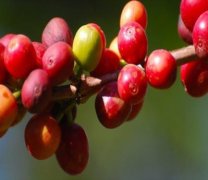
What kind of Coffee is Sidamo Coffee the Best Coffee in Sidamo-Gucci Coffee hand brewing parameters
For the exchange of professional baristas, please pay attention to the coffee workshop (Wechat official account cafe_style) Ethiopia is the hometown of coffee, rich coffee varieties, this gene treasure house is an important resource for coffee research in the world, the main varieties are Arabica and rich native varieties, among the many producing areas, the most well-known is YIRGACHEFFE.

Ethiopia-the birthplace of the famous Arabica coffee beans
Ethiopia is the birthplace of the famous Arabica coffee beans, and people have always maintained the tradition of harvesting wild coffee beans. The coffee garden at an altitude of more than 1500 meters has formed a unique coffee style after thousands of years of evolution and adaptation. Ethiopian coffee grown in the natural wild environment is called wilderness coffee, which retains the most primitive and natural taste of coffee beans.